What Are Antibiotics?
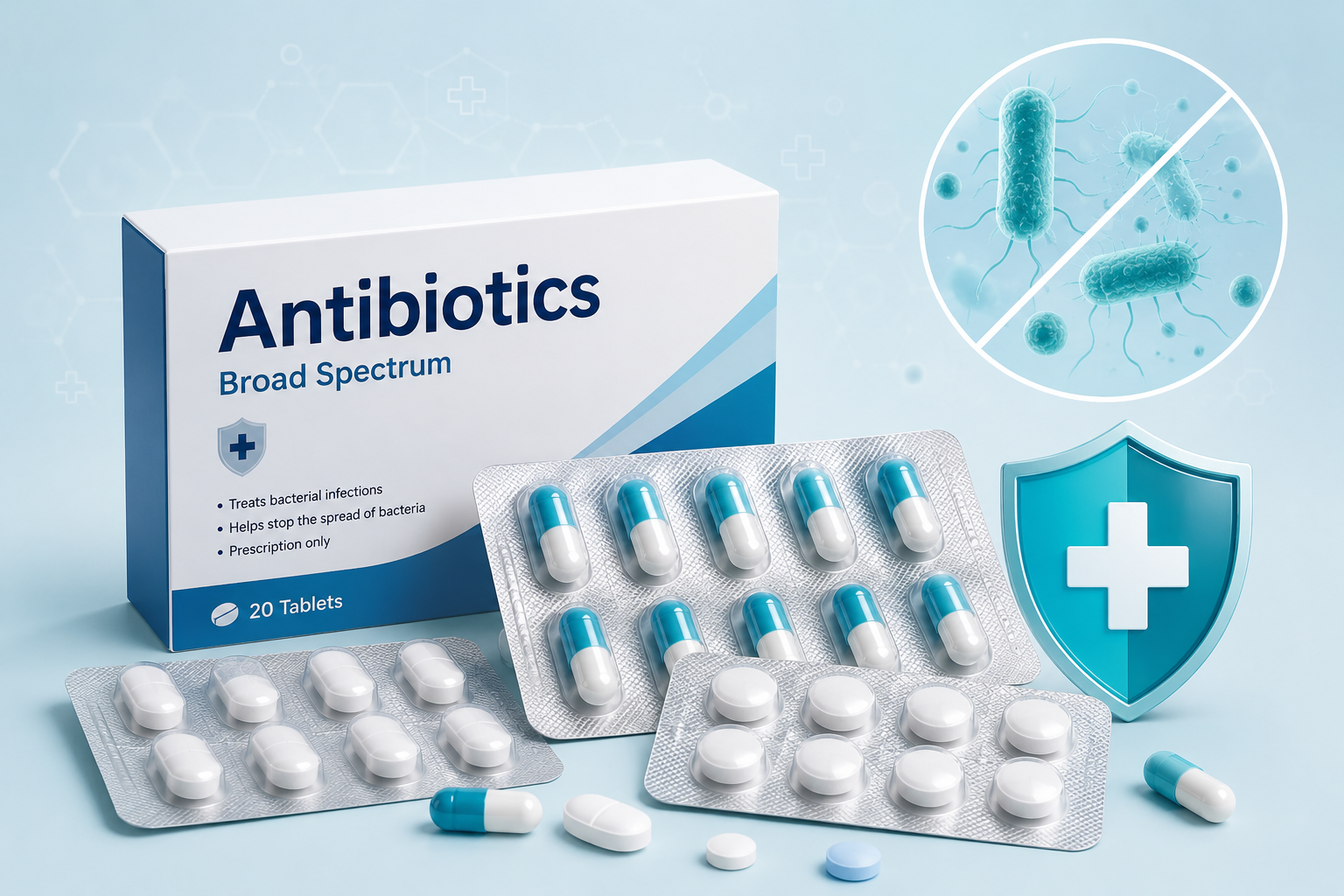
Antibiotics are antibacterial medications designed to eliminate or inhibit the growth of harmful bacteria. They revolutionized modern medicine by enabling effective treatment of infections that were once life‑threatening. Antibiotics target specific bacterial structures or processes, such as cell wall synthesis, protein production, DNA replication, or metabolic pathways. Because human cells lack these bacterial features, antibiotics can selectively target pathogens without harming human tissues.
Antibiotics are used across nearly every medical specialty, from primary care to intensive care. They treat respiratory infections, urinary tract infections, skin infections, gastrointestinal infections, sexually transmitted bacterial diseases, and systemic infections requiring urgent intervention. Their effectiveness depends on choosing the right antibiotic class, correct dosage, and appropriate duration of therapy.
Major Classes of Antibiotics
Antibiotics are grouped into classes based on their chemical structure, mechanism of action, and spectrum of antibacterial activity. Understanding these classes is essential for selecting the most effective therapy for each infection. Different classes target different bacterial processes, making them suitable for specific pathogens, infection sites, and clinical scenarios. Below is a detailed overview of the major antibiotic classes used in modern medicine.
β‑Lactams
β‑Lactams include penicillins, cephalosporins, carbapenems, and monobactams. They inhibit bacterial cell wall synthesis by binding to penicillin‑binding proteins. These antibiotics are widely used for respiratory infections, skin infections, urinary tract infections, and bloodstream infections. Cephalosporins are divided into generations, each offering different levels of Gram‑positive and Gram‑negative coverage. Carbapenems are reserved for severe or resistant infections due to their broad spectrum and stability against many β‑lactamases.
Macrolides
Macrolides inhibit bacterial protein synthesis by binding to the 50S ribosomal subunit. They are commonly used for respiratory infections, soft‑tissue infections, and sexually transmitted infections. Macrolides are effective against atypical pathogens such as Mycoplasma, Chlamydia, and Legionella. They are often chosen when patients cannot tolerate β‑lactams.
Tetracyclines
Tetracyclines are broad‑spectrum antibiotics that inhibit protein synthesis by binding to the 30S ribosomal subunit. They are used for respiratory infections, skin infections, acne, tick‑borne diseases, and atypical pathogens. Their broad coverage makes them valuable in outpatient settings. Newer tetracyclines offer improved activity against resistant organisms.
Fluoroquinolones
Fluoroquinolones inhibit bacterial DNA replication by targeting DNA gyrase and topoisomerase IV. They are used for urinary tract infections, respiratory infections, gastrointestinal infections, and systemic bacterial diseases. Their broad spectrum makes them versatile, but responsible use is essential due to concerns about resistance and potential side effects.
Aminoglycosides
Aminoglycosides are potent bactericidal agents that inhibit protein synthesis by binding to the 30S ribosomal subunit. They are primarily used for severe systemic infections, often in combination with other antibiotics for synergistic effects. Their use requires careful monitoring due to potential kidney and ear effects.
Sulfonamides
Sulfonamides inhibit bacterial folate synthesis, disrupting essential metabolic pathways. They are commonly used for urinary tract infections, skin infections, and certain gastrointestinal infections. When combined with trimethoprim, they provide enhanced antibacterial activity and broad coverage against many Gram‑positive and Gram‑negative organisms.
Together, these antibiotic classes form the foundation of modern antibacterial therapy. Their diverse mechanisms and coverage profiles allow clinicians to tailor treatment to specific pathogens and clinical scenarios, supporting effective and responsible antibiotic use.
How Antibiotics Work
Antibiotics work by targeting essential bacterial processes that are required for survival, replication, and structural integrity. Because bacterial cells differ significantly from human cells, antibiotics can disrupt bacterial functions without affecting human tissues. Each antibiotic class focuses on a specific mechanism, allowing precise treatment of bacterial infections and minimizing unintended effects.
1. Inhibition of Cell Wall Synthesis
Many bacteria rely on a rigid cell wall made of peptidoglycan for structural support. Antibiotics such as β‑lactams and glycopeptides disrupt the formation of this wall, causing bacteria to weaken and eventually rupture. This mechanism is particularly effective against rapidly dividing bacteria and is widely used for respiratory, skin, and bloodstream infections.
2. Inhibition of Protein Synthesis
Protein synthesis is essential for bacterial growth and survival. Antibiotics such as macrolides, tetracyclines, and aminoglycosides bind to bacterial ribosomes and block the production of vital proteins. Because bacterial ribosomes differ from human ribosomes, these antibiotics can selectively target pathogens without interfering with human protein synthesis.
3. Inhibition of DNA Replication
Fluoroquinolones disrupt bacterial DNA replication by inhibiting enzymes such as DNA gyrase and topoisomerase IV. Without the ability to replicate DNA, bacteria cannot divide or repair genetic damage. This mechanism is effective for urinary tract infections, gastrointestinal infections, and systemic bacterial diseases.
4. Disruption of Metabolic Pathways
Some antibiotics interfere with metabolic processes that bacteria rely on to produce essential molecules. Sulfonamides, for example, inhibit folate synthesis, which is required for DNA production. By blocking these pathways, antibiotics prevent bacteria from growing and reproducing.
5. Bactericidal vs. Bacteriostatic Effects
Antibiotics may be bactericidal (killing bacteria directly) or bacteriostatic (slowing bacterial growth). Bactericidal antibiotics are often used for severe infections, while bacteriostatic agents are effective for many outpatient conditions. The choice depends on the infection type, pathogen, and clinical scenario.
Understanding these mechanisms helps clinicians select the most appropriate antibiotic for each infection, reduce the risk of resistance, and ensure effective treatment outcomes.
What Antibiotics Treat
Antibiotics treat a wide range of bacterial infections across multiple organ systems. They are essential for managing both mild and severe infections, including:
- Respiratory infections (bronchitis, pneumonia, sinusitis)
- Urinary tract infections
- Skin and soft‑tissue infections
- Ear, nose, and throat infections
- Gastrointestinal bacterial infections
- Sexually transmitted bacterial infections
- Systemic infections requiring urgent treatment
When Antibiotics Should NOT Be Used
Antibiotics are ineffective against viral, fungal, and parasitic infections. Misuse contributes to antibiotic resistance, reduces treatment effectiveness, and increases the risk of complications. Responsible use is essential for preserving antibiotic effectiveness.
Antibiotic Resistance
Antibiotic resistance occurs when bacteria adapt and become less responsive to treatment. Overuse, incorrect dosing, and incomplete treatment courses accelerate resistance. Responsible antibiotic use helps preserve long‑term effectiveness and reduces global health risks.
How to Use Antibiotics Safely
Take as Directed
Follow the prescribed dosage and duration to ensure complete bacterial elimination.
Avoid Unnecessary Use
Do not take antibiotics for viral illnesses such as colds or flu.
Prevent Resistance
Complete the full course and avoid skipping doses to reduce resistance risk.
Antibiotics vs Other Treatments
Antibiotics vs Antivirals
Antibiotics treat bacterial infections; antivirals target viruses. They are not interchangeable. Misusing antibiotics for viral illnesses contributes to resistance and reduces future treatment options.
Antibiotics vs Antifungals
Antibiotics do not treat fungal infections; antifungals target yeast and mold pathogens. Using antibiotics for fungal infections can worsen symptoms and disrupt the microbiome.
Broad‑Spectrum vs Narrow‑Spectrum
Broad‑spectrum antibiotics target multiple bacteria; narrow‑spectrum agents focus on specific pathogens. Choosing the right spectrum reduces resistance and improves treatment outcomes.
Safety & Interactions
Antibiotics are powerful antibacterial agents, and their safe use requires awareness of potential interactions, contraindications, and factors that may influence how the body processes them. Although antibiotics are widely used across outpatient and inpatient settings, they can interact with alcohol, anticoagulants, antacids, chronic medications, and certain supplements. Understanding these interactions helps reduce adverse effects, maintain treatment effectiveness, and support responsible antibiotic use.
Alcohol and Antibiotics
Alcohol does not directly interfere with the antibacterial mechanism of most antibiotics, but it may increase the risk of gastrointestinal discomfort, dizziness, or dehydration. Some antibiotics, such as metronidazole or tinidazole, may cause stronger reactions when combined with alcohol, including flushing, nausea, and rapid heartbeat. Avoiding alcohol during antibiotic therapy helps minimize unnecessary strain on the liver and supports overall recovery.
Interactions with Anticoagulants
Certain antibiotics may influence how the body metabolizes anticoagulants such as warfarin. This interaction can alter blood clotting activity and may require closer monitoring. While not all antibiotics affect coagulation, awareness of this potential interaction is important for individuals taking long‑term anticoagulant therapy.
Antacids and Mineral Supplements
Antacids containing magnesium, calcium, or aluminum can reduce the absorption of some antibiotics, particularly tetracyclines and fluoroquinolones. This may decrease their effectiveness. Separating antibiotic dosing from antacids or mineral supplements helps maintain consistent absorption and therapeutic levels.
Chronic Medications
Antibiotics may interact with medications used for chronic conditions, including diabetes, heart disease, thyroid disorders, and neurological conditions. These interactions can influence drug metabolism, absorption, or elimination. Reviewing potential interactions helps ensure that both the antibiotic and the chronic medication remain effective throughout treatment.
Pregnancy and Breastfeeding Considerations
Some antibiotics require caution during pregnancy or breastfeeding due to differences in how they are processed by the body or how they may affect developing infants. While many antibiotics are widely used in these situations, others may require alternative options depending on individual circumstances. Awareness of these considerations supports safe and responsible treatment decisions.
Microbiome Effects
Antibiotics can temporarily alter the balance of beneficial bacteria in the gut, skin, or other areas of the body. These changes may lead to digestive discomfort or yeast overgrowth. Supporting the microbiome with balanced nutrition and hydration may help maintain overall well‑being during antibiotic therapy.
Photosensitivity
Some antibiotics, particularly tetracyclines and certain fluoroquinolones, may increase sensitivity to sunlight. This can lead to quicker sunburn or skin irritation. Awareness of this effect helps individuals take practical steps to protect their skin during treatment.
Food Interactions
While many antibiotics can be taken with or without food, some may have improved absorption when taken on an empty stomach, while others may be better tolerated with meals. Understanding how food influences absorption helps maintain consistent therapeutic levels.
General Safety Considerations
Responsible antibiotic use includes completing the full course, avoiding unnecessary use, and being aware of potential interactions. Reviewing medications, supplements, and lifestyle factors before starting antibiotic therapy supports safe and effective treatment outcomes.
Get the Best Online Antibiotic Deals Today
Verified suppliers, fast worldwide delivery, multiple payment options, and consistently low prices. Partner offers update daily — secure your discount before stock or pricing changes.